



18 Oct Tech and the high street: The good, the bad and the human
Online retail was once blamed for causing the death of the high street, but have the tables now turned as technology is becoming dominant in driving physical store visits, building closer connections with customers and streamlining in-store experiences?
In the third article for the Boosting Britain’s High Street campaign, our director Diane Cunningham looks at retail innovation.
Where can it help, how might it hinder and where do people fit as technology can do more than ever before.
The Boosting Britain’s High Streets campaign is managed by the Policy Liaison Group for Housing Development & Growth. It started in October 2025
This article formed the basis of a discussion at a Retail Innovation Summit held in the House of Lords on 15 October 2026. The Assembly Line sat on the panel with Fetch Analytics, Deliveroo and College Green Group.
Digital vs physical is no longer the focus
According to the Retail Disrupted podcast (episode 123), despite the popular perception that Gen Z only shop online, actual shopping behaviour shows otherwise.
Social platforms like Snapchat are used for discovery and virtual try-ons, but purchases are made in-store.
There are other examples too of high street businesses using digital and social media to drive footfall. Luxury department store Selfridges has 1.2m followers on its Instagram account and uses it to promote in-store events and products, connecting digital and physical together.
And it’s not just the big brands; some small, independent high street outlets are building a following and driving customer loyalty through social media.
The power of social media in driving footfall demonstrates that building a relationship between the customer and store or brand can be a powerful tool.
In‑store tech driving efficiency
In-store technology is also being harnessed to make the shopping experience easier.
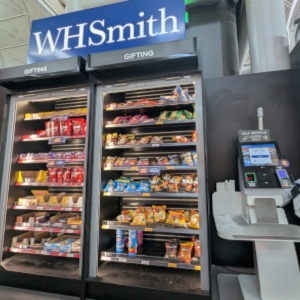
Retail brands Uniqlo and Decathlon use similar self-service checkout tills. No scanning barcodes or placing unexpected items in the bagging area; everything is simply placed together in a special bucket, which automatically reads the tags.
It’s quick and efficient and removes the annoyance (and, potentially, lost sales) inflicted by poor self-service options.
Uniqlo has also made its click-and-collect contactless, at least in some stores.
However, returns don’t yet have quite the same slick feel.
Where have the people gone?
A potential risk for retailers is that shop floors are getting sparse. The increasing use of automation can dehumanise the shopping experience and is reducing the number of staff in-store with product knowledge.
Having experienced, knowledgeable staff on the shop floor can go a long way to supporting a purchase and customer experience where the purchase is more than just transactional.
In 2023, northern supermarket chain Booths announced it was removing nearly all of its self-service checkouts in response to customer feedback and a perception that it serves customers better with staffed checkouts.
Retail frustrations and opportunities
Consistency is crucial in the online and in-store experiences. Slick websites need to be matched by the in-store experience.
Online and in-store retail are also only as good as what they can actually sell.
A retailer can have the most sophisticated app or website for viewing and testing products, but if the ordering system or checkout is clunky or complex, or if there are long queues in store, customers may not return.
There are further lessons for retail from social media: harnessing data from users.
There are also several data platforms operating at a place level, they can provide users with a wealth of data on when the town centre is at its busiest, who is using it and where they are located.
This provides businesses with the opportunity to tailor offers, adapt opening hours and help in tracking empty units and finding new occupiers.
The role of traditional marketing
City centre stores may be at the cutting edge of retail tech, but there is less tech on display on local high streets. Here, you often find that it’s analogue marketing which is successfully driving footfall.
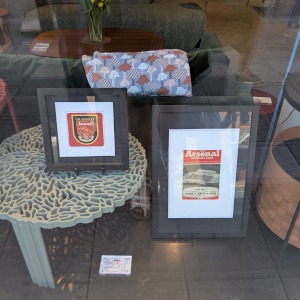
When Arsenal won the Premier League, some local stores on Upper Street in Islington were quick to respond with window displays congratulating the team, and one café was offering a free drink for customers wearing an Arsenal shirt.
It’s ‘old-fashioned’ marketing, reactive, specific and gives retailers something visual to put online. It’s also Instagrammable for customers, which helps spread the word.
Final thoughts
Human connection is still important. Investment in and visibility of staff helps connect with the brand and build engagement with customers.
Screens and self-service do not feel like the future….they remove connection points and in many ways, slow ordering down. That’s not to say they should be removed, but they shouldn’t dominate.
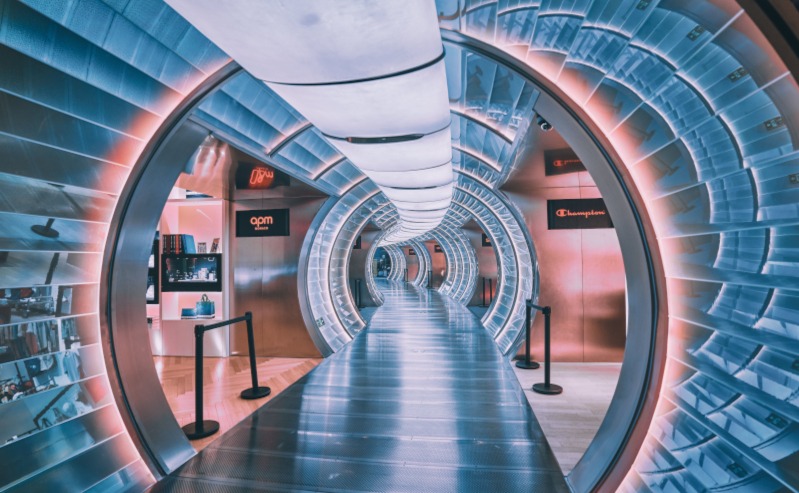
In-store architecture, design, wayfinding and visual display are also all important in creating an experience.
Stores have to be exciting and offer an experience that is worth visiting. This can be as simple as knowledgeable staff, good levels of stock and visually exciting displays that make customers want to engage with the brand.
What will be the role of websites in the future? Will they become the catalogue of old and be a static reference tool with apps and social channels dominating, or will they step up to be a more integrated part of a brand’s offer?
Download the full report here.
Article image: Zhang Kaiyv on Pexels
Homepage image: Craig Lovelidge on Unsplash
This is our October newsletter where we discuss things we have seen and lessons learnt monthly.
Sign up to The Assembly Line newsletter for urban and place shaping observations.