



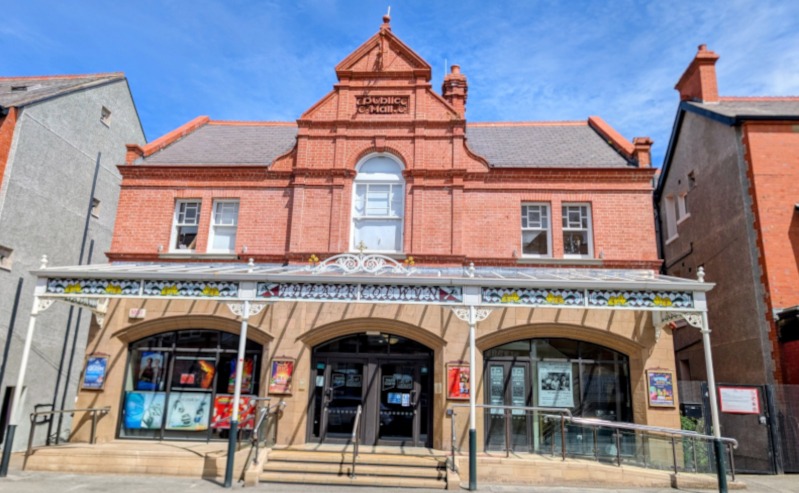
14 Jul Solving the problem of unused heritage assets
How do you stop heritage buildings from sitting empty and unused?
This was the theme for The Architectural Heritage Fund at 50 event, which The Assembly Line founder Diane Cunningham went along to last month.
Here she shares the key takeaways and the ingredients for successfully bringing heritage buildings back into use and how they might reduce the impact of gentrification, forming a stronger connection between people and place.
Aligning delinquent owners, funding and a business plan
The Architectural Heritage Fund at 50 is a year-long celebration of the Fund, which is focused on keeping buildings active and useful to communities rather than empty and simply preserving them. Something I strongly agree with.
Restoring old buildings and bringing them back into use can build confidence in town centres.
But buildings shouldn’t be restored when there is no identified use for them or a business plan.
The challenge of bringing heritage assets back into use can start with ownership. A good phrase used at the event was “Mapping delinquent ownership” – finding out who owns empty, run-down buildings, where.
Another was the “community against delinquent ownership” based on Hastings Commons’ experience (an inspiring organisation I wrote about last year (here).
But even when ownership is known, heritage buildings can sit empty for long periods, highlighting the challenge of finding new uses.
The UK government doesn’t have a specific policy on retrofit to support projects. VAT is also a major factor pushing up costs as is finding the knowledge of how to deliver heritage building retrofit projects. Expertise is scattered, and for trickier projects, finding the right skills can be hard.
Assets of Community Value can often be viewed as a liability transfer rather than an opportunity to bring a building back into use
Main takeaways
- Pension Funds (as investors) need to make a profit but they can do both: fund community projects and generate a return.
- The heritage sector needs the industry to come together to centralise ways to do things – from heritage skills and planning to deliver projects quicker and easier
- Community Asset Transfer is often seen as a Liability Transfer where the current owners want to offload what they see as a problem building. (Could there be a minimum standard under which buildings can be transferred?)
- Routes to successful reuse of heritage assets
As well as talking about the challenges, the event highlighted some key areas for successfully bringing heritage buildings back to life:
- Conversations about reuse should ideally start before a building’s existing use has come to its natural end. For example, banks closing down or an exit from a town hall.
- Heritage buildings need leases that go beyond 25 years. This creates peace of mind, as once a project gets going, it can take a long time to do the restoration and make changes.
- For those leading the heritage restoration, rather than trying to do everything themselves, it’s important to be open to external help from those who’ve done similar projects, be that architects, industry bodies, the council, etc.
- Funders, developers and property agents, etc need to take non-profit organisations seriously and give them the support and tools they need to deliver.
- Many people are loyal to where they live and have a strong attachment to these heritage buildings, which is something that can be harnessed to support reuse plans and planning.
I left with the feeling that there are many heritage buildings around the country that could be worth restoring.
It’s not an easy task, but with grants from Architecture Heritage Fund, Heritage Lottery Fund and others, the experience available and case studies, it is possible (and not as daunting as people think).
Gentrification – it’s complicated
Sometimes, restored heritage buildings become something significant – think of a former bank becoming a restaurant or a town hall becoming a hotel. Who uses the building and how it is perceived can change the surrounding area and, in some instances, lead to complaints about gentrification.
This complexity surrounding gentrification was highlighted in a session I went to at the Festival of Place called the Suburbanisation of Poverty by Nick Bailey, Professor of Urban Studies and Social Policy at the University of Glasgow.
Gentrification isn’t something new. Sometimes it is simply the result of a natural market cycle. It may be triggered by development or redevelopment that perhaps excludes those already there, but it also relates to wider, historic shifts in how we live and work rather than a block of new flats (“luxury apartments”) pricing people out.
Professor Bailey pointed out that the reasons for gentrification are many, including deindustrialisation, loss of skills, reduced social housing and growth in the private rental sector, which increases housing insecurity.
Other recent influences on gentrification include:
- Reduced housing benefit at a time when rents were going up contributed to the displacement of those on lower incomes.
- The Right to Buy policy remains in place despite years of evidence of it removing housing stock for those who need it.
- The increase in short lets through the likes of Airbnb removing rental property from the market
Gentrification is the product of many different things and the term is often used as shorthand for any visible change when there are far more complex factors at play.
How can change be encouraged and supported?
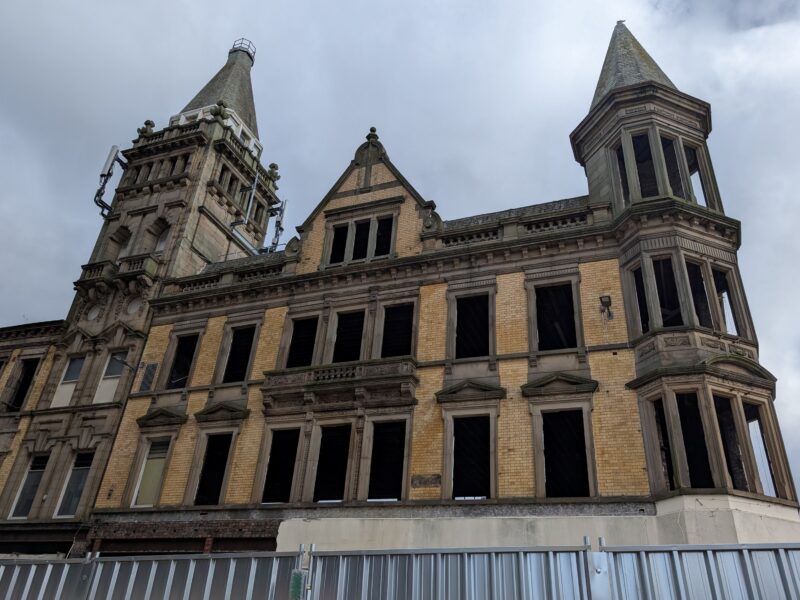
Repurposing heritage buildings can play a part in continuing to connect people with their place in referring back to its history while a new use looks to the future.
How this happens needs to involve communities in decisions about building reuse and lean on others for their expertise and access to funding.
We heard time and time again that a business plan is key to successfully bringing heritage buildings back into use and often it’s the element that is given the least consideration.
Here’s where we can help.
We have created business and commercial plans for historic and listed buildings from a park and golf course to market halls, historic high streets and seaside promenades. The brief was to find new uses for them via tendering for a new operator, creating new revenue streams while maintaining heritage aspects and reconnecting the place with local people.
This is our July newsletter where we discuss things we have seen and lessons learnt monthly.
Sign up to The Assembly Line newsletter for urban and place shaping observations.